Exploring the cultural impacts of gambling throughout history
The Origins of Gambling in Ancient Cultures
Gambling has roots that trace back thousands of years, deeply woven into the fabric of early civilizations. The earliest evidence of gambling activities can be found in ancient China, where rudimentary dice dating back to 2,300 BC were discovered. These early forms of games of chance were not merely for entertainment but often played a crucial role in decision-making and social bonding. Today, to discover similar innovative platforms, you can visit westace-australia.com, where modern gambling seamlessly blends with tradition.
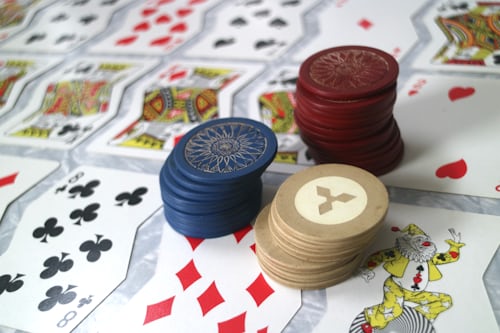
Similarly, ancient Romans and Greeks embraced gambling as part of their cultural practices. Betting on chariot races, gladiator matches, and various games was prevalent among the populace, reflecting a societal acceptance of risk-taking behavior. These activities were not just leisure pursuits; they contributed to the social hierarchies, influencing relationships and community dynamics.
Gambling and Religion Throughout History
Many ancient societies viewed gambling through a spiritual lens, associating games of chance with divine will. For instance, the casting of lots was a common practice in biblical texts, symbolizing decisions influenced by a higher power. This notion persisted in various cultures, where gambling was seen as a means of communicating with the gods or seeking favor in uncertain times. This intersection of faith and gaming paved the way for future beliefs about luck and chance.
In some instances, religious authorities sought to control or regulate gambling, often viewing it as a vice that could lead to moral decay. This dichotomy created a fascinating tension between the societal acceptance of gambling as a form of entertainment and the fear of its potential to disrupt social order.
The Evolution of Gambling in the Modern Era
The 19th century marked a significant turning point in the evolution of gambling, particularly with the establishment of formal casinos in Europe and the advent of state lotteries. This era saw gambling become more organized, transitioning from informal settings to regulated institutions, which reflected changing societal attitudes toward gambling as a legitimate pastime.
The proliferation of casinos in the early 20th century further popularized gambling, contributing to economic growth and tourism in many regions. Las Vegas, for instance, emerged as a gambling mecca, attracting millions and becoming a symbol of entertainment and risk. This period highlighted the complexities of gambling as both a source of revenue and a potential catalyst for social issues, influencing local economies and cultures.
Gambling’s Influence on Art and Literature
Throughout history, gambling has also made a significant mark on art and literature, often serving as a metaphor for chance and human folly. Classic novels and plays frequently explore themes of risk and morality, using gambling as a narrative device to reveal character flaws or societal critiques. Works like Dostoevsky’s “The Gambler” provide insights into the psychological aspects of addiction and desperation, showcasing the darker sides of this age-old pastime.
Moreover, artists have drawn inspiration from the aesthetics and symbolism associated with gambling. From the vibrant imagery of playing cards to the allure of casino lights, gambling has influenced visual arts, encapsulating the thrill and peril of chance. These creative expressions reflect societal attitudes towards gambling, often oscillating between fascination and caution.
WestAce and the Modern Gambling Experience
Today, platforms like WestAce Australia are redefining the gambling landscape, offering innovative online experiences tailored to modern players. With an extensive range of real-money games, including slots and live dealer options, these platforms provide accessible and immersive environments for enthusiasts. Such developments reflect the ongoing cultural integration of gambling into everyday life, catering to a diverse audience.
Committed to responsible gaming practices, WestAce emphasizes safety and fair play, showcasing how the industry is evolving to address concerns about addiction and ethical gambling. As the cultural impacts of gambling continue to unfold, modern platforms play a crucial role in shaping the future of this age-old practice, ensuring it remains both entertaining and responsible.
Leave a Reply